Saddle Nose Deformity: Rebuilding Dorsal Support
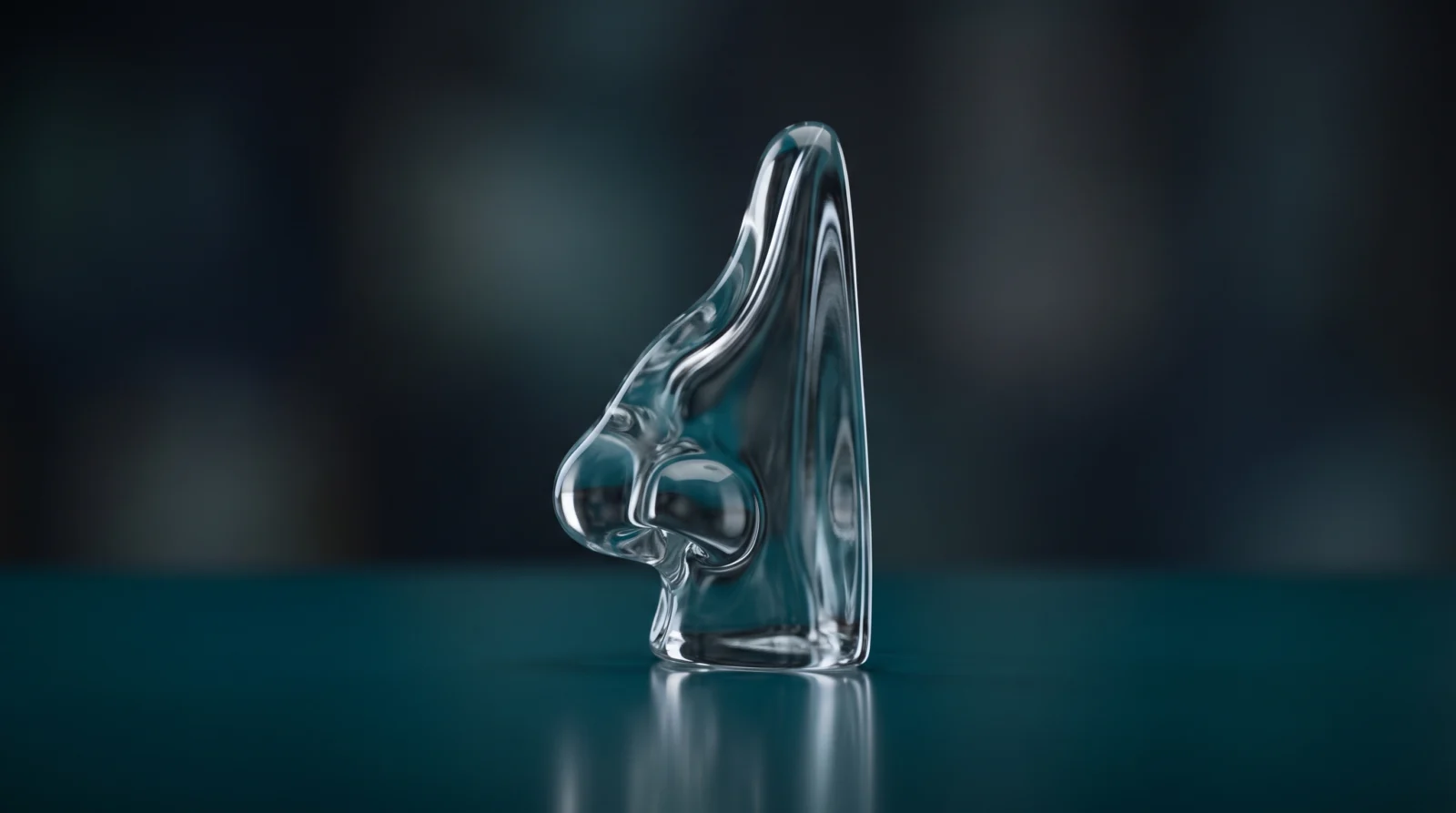
Saddle Nose Deformity: How Rhinoplasty Rebuilds Dorsal Support
A saddle nose deformity describes a nose whose bridge, or dorsum, has collapsed or sunk inward, creating a scooped, low profile that resembles the seat of a saddle. It happens when the structural framework beneath the skin—primarily cartilage and sometimes bone—loses height and support, allowing the middle of the nose to cave. Corrective rhinoplasty typically focuses on rebuilding that lost support with grafts so the bridge regains a stable, more natural contour.
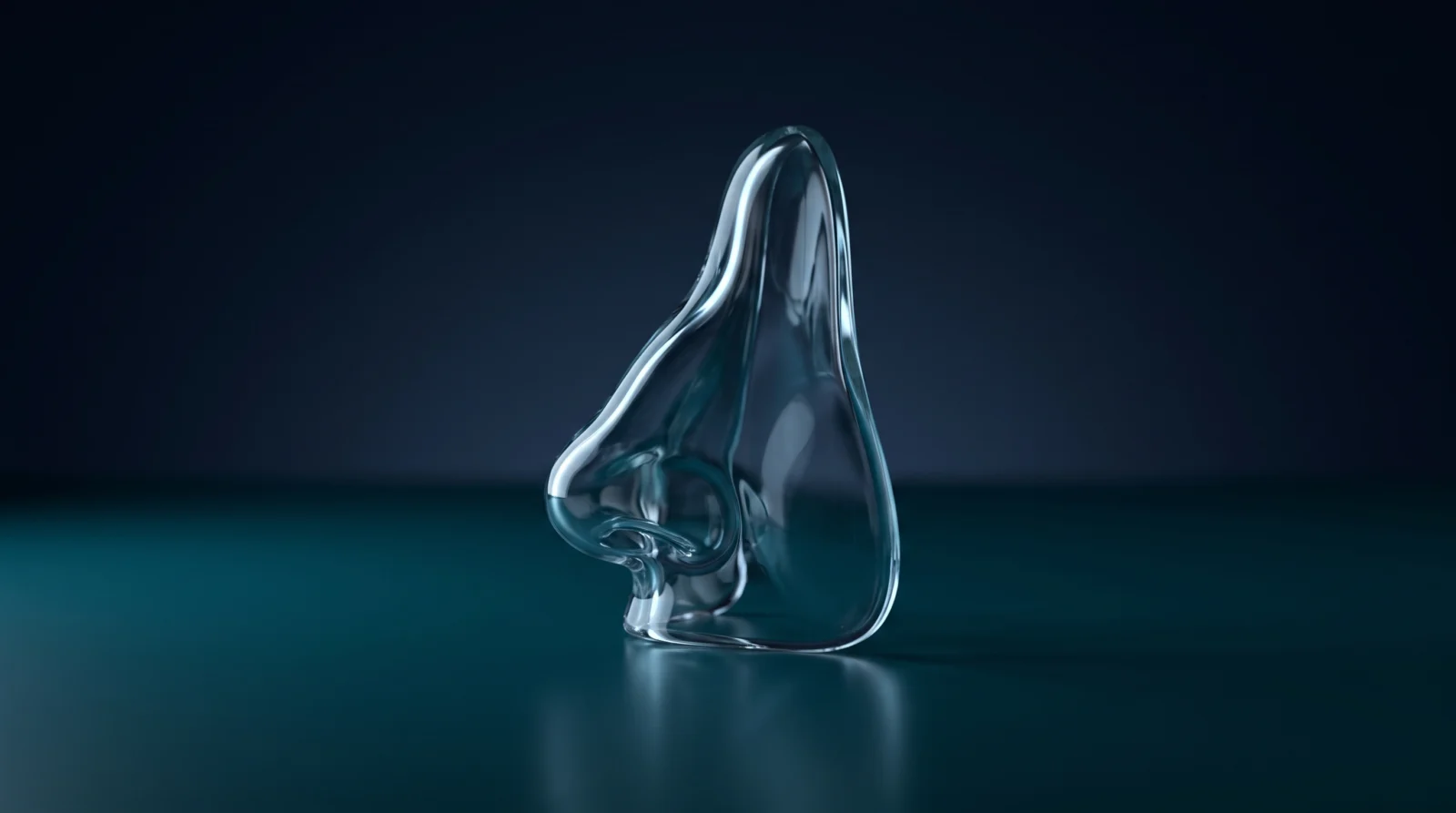
What a Saddle Nose Deformity Actually Is
The nose is essentially a tent, and its cartilage and bone form the poles that hold the skin envelope up. When the central support—especially the septum, the wall that divides the two nostrils—weakens or loses volume, the middle third of the nose drops. This produces the hallmark features people notice: a low or concave dorsum, an upturned or foreshortened tip, and sometimes a widened, pinched, or otherwise irregular midvault.
A saddle nose deformity exists on a spectrum. A mild version may only be a subtle dip visible in profile, while a more advanced collapse can affect breathing as well as appearance because the same structures that shape the bridge also keep the internal airway open. Because form and function are linked here, surgeons evaluate both together rather than treating the bridge as a purely cosmetic concern.
This concern overlaps with, but is distinct from, a simply low or shallow bridge. If you are exploring the difference between a naturally low dorsum and a collapsed one, this overview of a flat nasal bridge and rhinoplasty planning walks through how the two situations are assessed differently.
Common Causes of a Collapsed Dorsum
A saddle nose deformity can develop for several reasons, and understanding the general category often shapes how reconstruction is approached.
Trauma
A direct blow to the nose can fracture the bone or crack the septal cartilage. If a septal hematoma—a collection of blood between the cartilage and its lining—forms and is not addressed promptly, the underlying cartilage can lose its blood supply and gradually resorb, removing central support over weeks or months.
Prior Surgery
Aggressive removal of septal cartilage during an earlier septoplasty or rhinoplasty is one of the more common causes. When too much of the structural septum is taken and not enough is preserved to hold the bridge up, the dorsum can settle over time. Revision cases like these are frequently more complex because the usual local sources of graft material may already be depleted.
Cartilage Loss and Inflammatory Conditions
Certain systemic inflammatory and autoimmune conditions can, in a general sense, attack cartilage and cause it to break down, and some infections can have a similar effect. These medical causes matter because a surgeon usually wants the underlying condition evaluated and stable before rebuilding, since ongoing inflammation can undermine even a well-constructed repair. This is a situation where a physician, not an app or article, guides the medical work-up.
How Surgeons Evaluate Structural Support
Before discussing reconstruction, a surgeon assesses what framework remains. This is less about the surface shape and more about what is holding—or failing to hold—the nose up.
Evaluation commonly includes gently palpating the nose to feel how much firm septal support is present behind the tip, checking whether the tip has adequate projection and rotation, and examining the internal airway for narrowing at the valves. Photographs from multiple angles document the starting point, and some surgeons order imaging when they suspect the bony framework or a medical condition is involved.
The central question is how much native cartilage is still available. A septum that has been depleted by prior surgery or disease changes the plan considerably, because the reconstruction will need to import support from elsewhere. Surgeons also gauge skin thickness, since thin skin shows every underlying irregularity while thicker skin can mask fine detail but resists refinement.

Reconstruction: Rebuilding Height and Support with Grafts
Correcting a saddle nose deformity almost always means adding structural support back, not simply padding the surface. The goal is a stable framework that holds its shape over years, which is why cartilage grafts are the workhorse of this repair.
Cartilage can be harvested from a few places, each with trade-offs in strength and quantity. The septum itself is the first choice when enough remains; the ear can supply curved cartilage useful for certain contours; and the rib provides the largest, strongest volume for major reconstructions. This detailed comparison of cartilage graft sources including septum, ear, and rib explains why a surgeon might favor one over another depending on how much support is needed.
Depending on the severity, grafts may be layered or carved to rebuild the dorsal height, and structural grafts—such as extended pieces that reinforce the septum or brace the tip—may be added to keep the whole framework from settling again. Many of these repairs are performed through an open approach, which gives the surgeon direct access to position and fixate grafts precisely; the clinical reference literature on open rhinoplasty technique describes this exposure in detail.
Why Structural Grafting Matters
A saddle nose tends to recur if only the surface is augmented without addressing the reason the bridge fell in the first place. Rebuilding the central support—rather than merely raising the profile—is what gives a repair its durability. This is a meaningful distinction to understand before any procedure.
Realistic Expectations and Limits
Rhinoplasty for a saddle nose is a reconstruction, and results depend heavily on the starting anatomy, the amount and quality of available cartilage, skin thickness, and healing, which no one can fully control. Swelling can take a year or more to fully resolve, and the final contour emerges gradually rather than immediately. Thicker skin, extensive prior scarring, or an active medical condition can all limit how refined an outcome is realistically achievable.
No responsible surgeon guarantees a specific result, and revision is a real possibility in complex reconstructions. Understanding the general risks and trade-offs beforehand leads to better conversations; this guide to rhinoplasty risks, complications, and consultation planning is a useful primer, and the ASPS overview of rhinoplasty recovery sets reasonable expectations for the healing timeline.
If you want to explore how bridge changes might look on your own face before ever booking a visit, you can experiment with a rhinoplasty simulator that renders visual previews. For on-the-go exploration, the Plastic Surgery AI app is available to download so you can preview ideas privately and arrive at a consultation with clearer questions.
Questions to Bring to a Consultation
A focused consultation is where educational curiosity becomes a real plan. Helpful questions include: How much of my own cartilage is available, and where would grafts come from? Do you recommend an open or closed approach for my anatomy, and why? Should any medical condition be evaluated before surgery? What does recovery and swelling resolution realistically look like month by month? How do you approach revision if the result settles over time?
Bringing photographs of the change you hope for, and being candid about any prior nasal surgery or injury, helps a surgeon give you grounded, individualized guidance rather than generic reassurance.
FAQ
Can a saddle nose deformity be fixed without surgery?
Structural collapse of the bridge generally requires added support, which is a surgical reconstruction. Non-surgical camouflage does not rebuild the underlying framework and is not a substitute for structural repair.
Where does the cartilage for reconstruction come from?
It is commonly taken from your own septum, ear, or rib, depending on how much support is required. A surgeon selects the source based on the strength and volume needed for your specific case.
Does correcting a saddle nose also improve breathing?
Often it can, because the same central structures that shape the bridge also support the internal airway. However, this depends on your anatomy and should be discussed individually with a surgeon.
How long does recovery take?
Initial swelling improves over the first several weeks, but the final refined contour can take a year or more to appear. Timelines vary by person and by the complexity of the reconstruction.
Is reconstruction permanent?
Well-structured repairs are designed to be durable, but healing and settling vary, and revision is sometimes needed in complex cases. No result can be guaranteed to be permanent.
AI previews are visualizations for exploration only and are not medical advice.