CO2 Laser Resurfacing Recovery Timeline
CO2 laser resurfacing recovery timeline: learn what to expect day by day, when skin may peel, and how to plan safer aftercare.
On this page
A CO2 laser resurfacing recovery timeline usually includes several days of warmth, swelling, oozing or crusting, followed by peeling and persistent pinkness that fades more slowly. Many people need about two weeks away from full social activity, but depth, settings, skin tone, and individual healing can change the schedule.
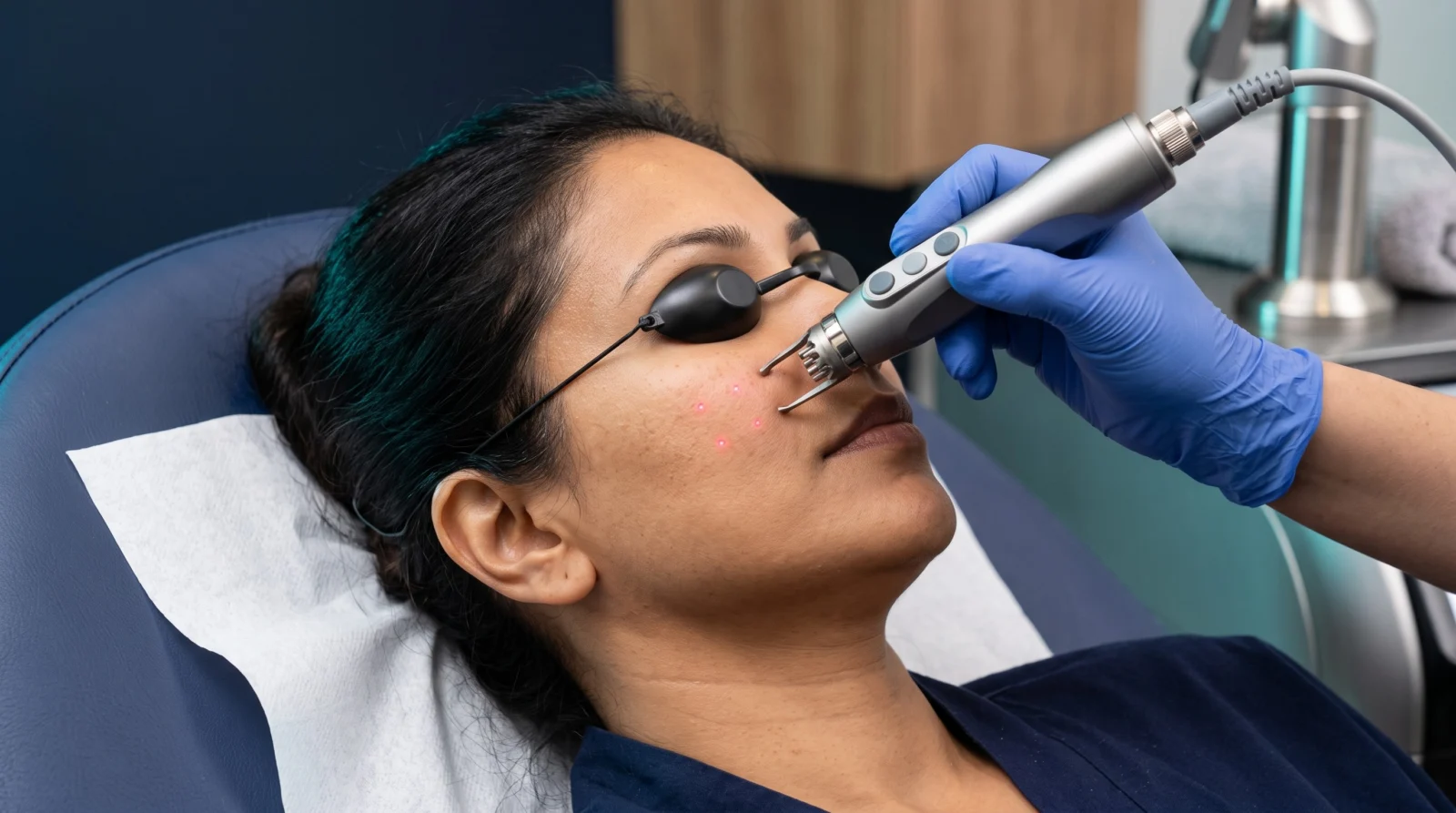
CO2 laser resurfacing recovery timeline: day by day
Ablative carbon-dioxide resurfacing removes tiny columns or a broader layer of facial skin, depending on whether treatment is fractional or fully ablative. That difference matters: a light fractional session may settle sooner than an aggressive full-field treatment. Your clinician's written instructions always outrank a generic online timeline.
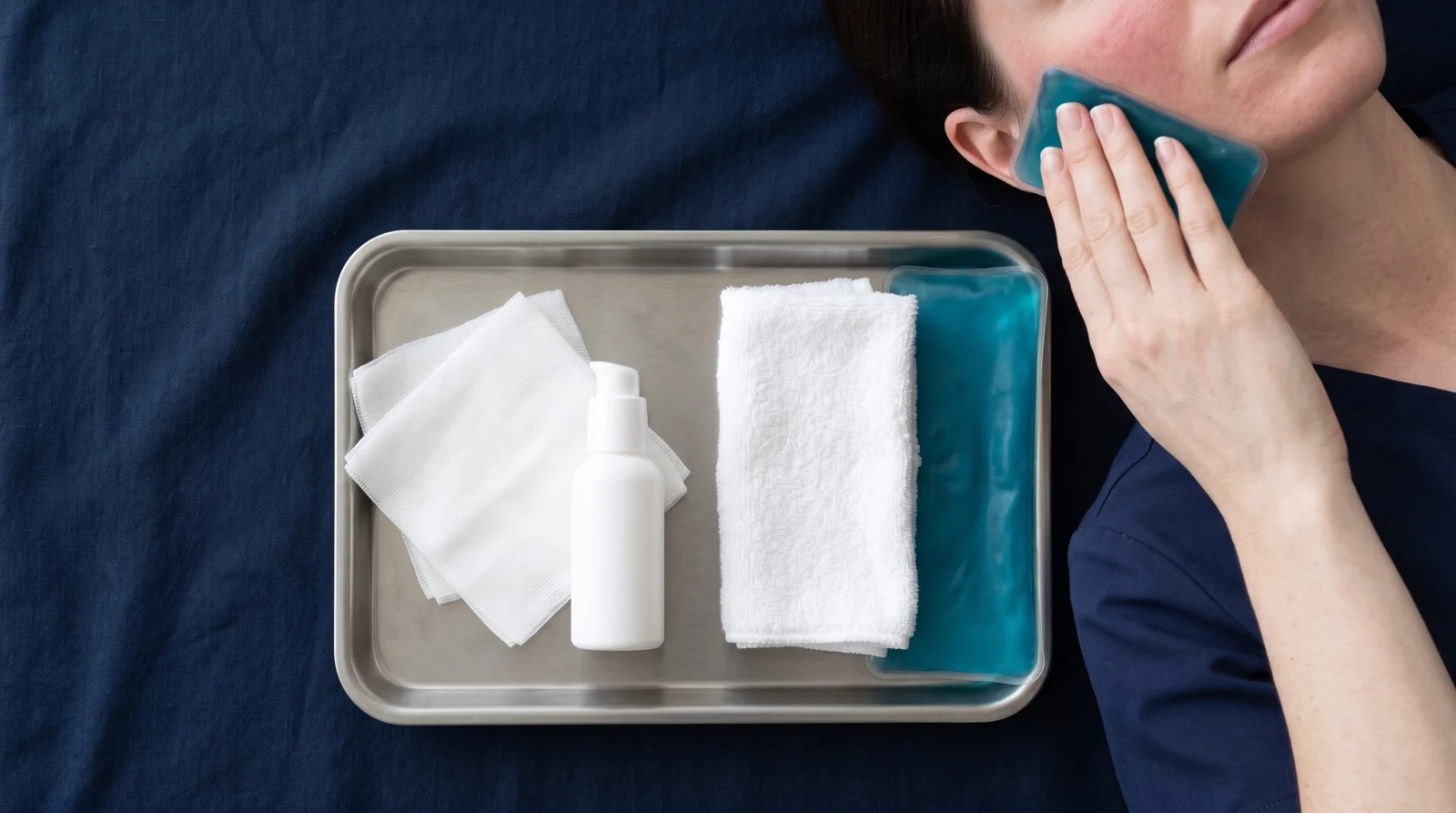
Days 0–2: Warmth, stinging, swelling, and marked redness are common. The surface may weep clear or yellowish fluid before a crust forms. Use only the cleansing method, ointment, dressings, and medicines your treating clinician prescribed; improvising with active skincare can irritate a healing barrier.
Days 3–7: Swelling often begins to ease while dryness, crusting, or peeling becomes more noticeable. The American Society of Plastic Surgeons says treated skin usually becomes dry and peels at about five days to one week, while emphasizing that recovery depends on treatment.
Days 8–14: New skin may be closed yet pink and sensitive. According to the American Society of Plastic Surgeons (accessed 2026), general recovery may take up to two weeks after CO2 resurfacing. “Closed” does not automatically mean ready for every cosmetic product, workout, or sunny outing.
Weeks 3–8 and beyond: Surface comfort can improve well before color fully settles. Pinkness may continue for months, and deeper remodeling evolves gradually. Plan around the visible healing period rather than expecting the final skin texture at the two-week mark.
A personalized AI skin analysis may help you organize visual concerns before a consultation, but it cannot determine treatment depth or medical suitability.
What does recovery feel like in the first week?
The first week commonly feels like a strong sunburn: heat, tightness, tenderness, itching, or stinging can occur. Swelling is often most obvious around the eyes even when the cheeks were treated, because facial fluid shifts with gravity.
An uncomplicated course may look dramatic without being dangerous. However, photographs cannot reliably separate normal inflammation from infection or delayed healing. Send concerns to the treating practice rather than comparing your face with another person's social-media timeline.
For context, a 2026 systematic review and meta-analysis included five comparative studies and 130 analyzed participants with atrophic acne scars. Carbon-dioxide fractional treatment was associated with 3.67 more days of downtime on average than erbium-based fractional approaches. The evidence was limited by small samples, varied platforms, and inconsistent outcome definitions, so the number is not an individual forecast.
This newer evidence helps explain why “laser recovery” is not one universal experience. The settings, treatment area, scar pattern, and device type all affect how much inflammation is created.
If acne scarring is your main concern, the guide to microneedling for acne scars explains why scar shape and skin characteristics should guide a consultation rather than a trend alone.
When can you return to work, exercise, and skincare?
Many people reserve 10–14 days before an in-person event, especially after deeper treatment. Remote work may be possible sooner if discomfort is controlled, but visible redness, ointment, and frequent cleansing can make even desk work inconvenient.
Exercise can increase heat, sweat, and facial flushing. Do not restart it by calendar alone; ask when your clinician considers the surface closed and stable. Swimming, saunas, and environments with dust or contamination may require a longer pause.
Restart cosmetics and active ingredients only after approval. A sensible sequence is:
- Confirm that the skin has closed. There should be no raw, weeping, or crusted areas unless your clinician says otherwise.
- Continue the prescribed bland routine. Add only one approved product at a time.
- Test color cosmetics cautiously. Use clean tools and stop if a product burns or increases redness.
- Delay strong actives. Acids, retinoids, exfoliating brushes, and fragranced products can be too irritating early on.
- Resume exercise in stages. Start gently and watch for prolonged heat, swelling, or discomfort.
For a broader look at treatment trade-offs, chemical peel versus laser resurfacing covers depth, downtime, and consultation questions. More skin-focused guides are collected in the skin topic hub.
How should you protect healing skin?
Gentle care is deliberately boring. Follow the prescribed cleansing frequency, keep dressings or ointment clean, avoid picking flakes, and use only products approved for the healing stage.
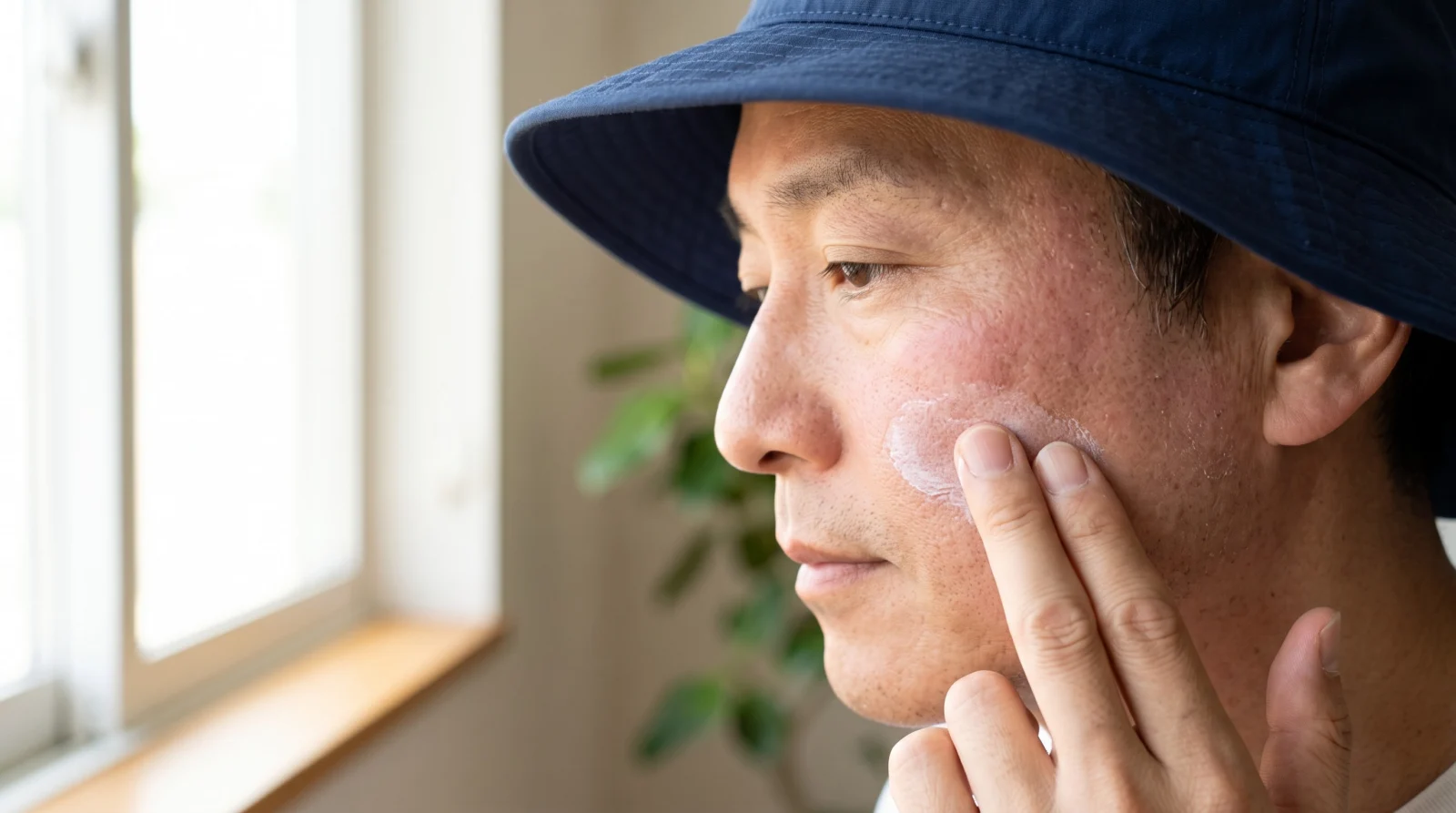
Sun protection is especially important because healing skin can react unpredictably to ultraviolet exposure. Use shade, a wide-brim hat, and the sunscreen type and start date your clinician recommends. Window light and short errands still count as exposure.
A 2026 systematic review of radiofrequency microneedling and fractional laser approaches screened 152 records but found only four eligible split-face studies. According to the peer-reviewed review, some less-ablative approaches may offer shorter recovery, but the evidence did not establish uniform superiority; heterogeneous designs and inconsistent reporting were major limitations.
Before choosing intensity, discuss your history of pigment changes, cold sores, scarring, medications, recent tanning, and how much downtime you can realistically manage. Consult a board-certified dermatologist or plastic surgeon with experience treating your skin tone and concern.
The Plastic Surgery AI app can help you save a consistent visual reference and prepare questions, but a preview cannot model inflammation, complications, or exact healing speed.
What warning signs need a call to your clinician?
Contact the treating practice promptly for pain that is worsening instead of improving, spreading redness, pus-like drainage, fever, new blisters, an unexpected rash, or swelling that interferes with vision or breathing. Follow any emergency instructions you received.
Do not diagnose a complication from a photo or start leftover medication without guidance. Early review matters because several problems can look similar at first, while their management differs.
It is also reasonable to call when the course simply does not match the instructions you were given. Your own treatment settings and medical history are more relevant than a general timeline.
FAQ
How long is downtime after CO2 laser resurfacing?
Many people plan for up to two weeks of visible healing, although lighter fractional treatment may settle sooner and deeper treatment may take longer. Ask your clinician for an estimate based on the planned settings and area.
When does peeling start after CO2 laser treatment?
Dryness and peeling often become noticeable around days five to seven. Do not pull flakes or crusts, because doing so can injure new skin.
How long can redness last after resurfacing?
Redness can outlast the initial wound-healing phase and may fade over weeks or months. Treatment depth, baseline skin characteristics, and sun exposure all influence the course.
Can an AI preview show my recovery result?
An AI preview can support visual goal-setting, but it cannot predict downtime, skin response, or the final clinical result. Use it to prepare questions for a qualified professional, not to choose treatment settings.
AI previews are visualizations, not medical advice.