Midface Lift Recovery Timeline: Week by Week

A midface lift recovery timeline usually begins with the most swelling and bruising in the first week, visible improvement over weeks two to four, and gradual softening for several months. Timing varies with the surgical approach, combined procedures, and your healing, so your surgeon’s instructions—not a generic calendar—should guide work, exercise, and skin care.
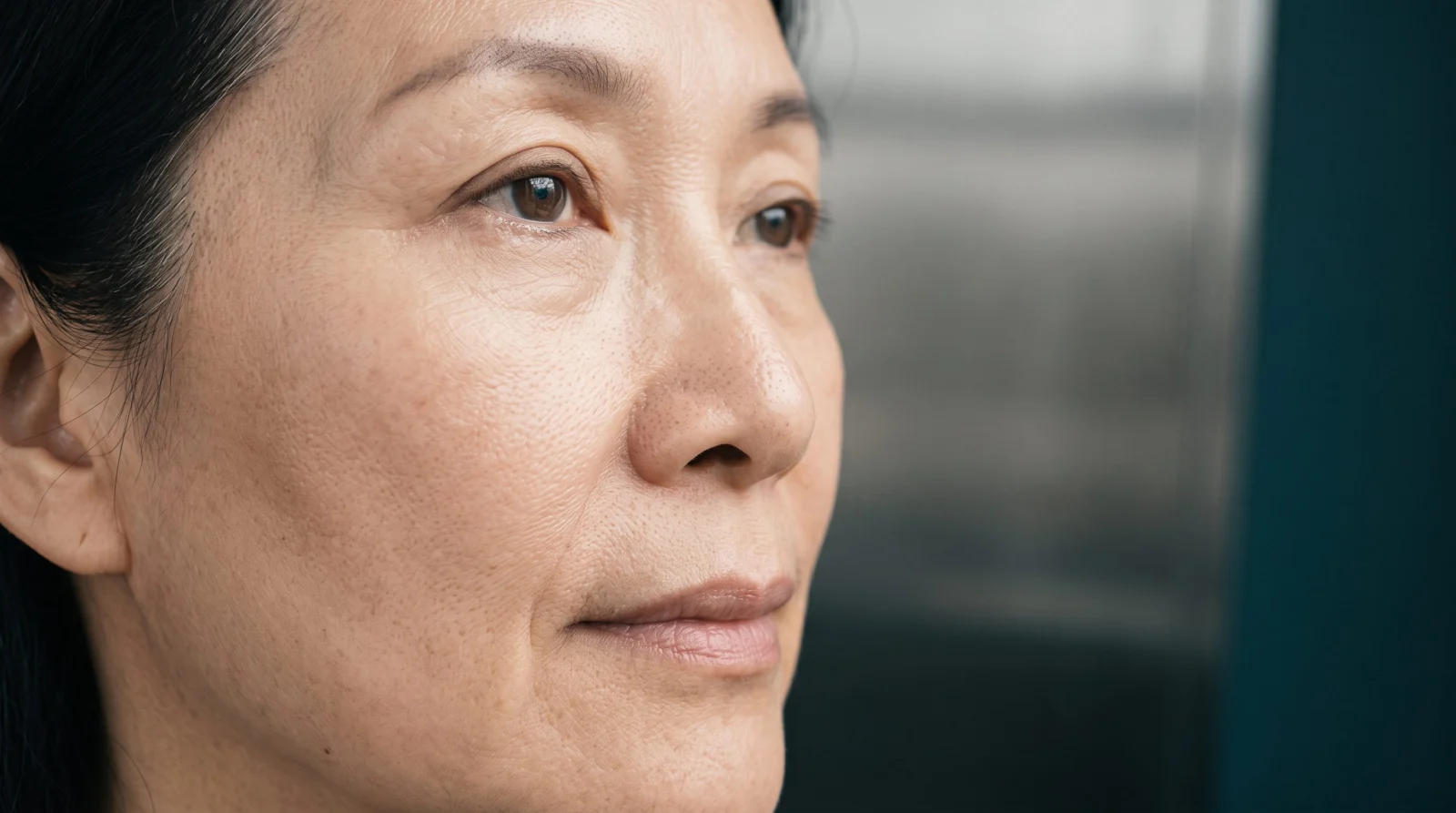
Midface lift recovery timeline at a glance
A midface lift repositions descended cheek tissues and may soften the transition between the lower eyelid and upper cheek. It is not simply a skin treatment, and it is not interchangeable with adding cheek volume. The operation, incision locations, and recovery plan vary substantially by technique.
| Stage | Common experiences | Planning focus |
|---|---|---|
| First 72 hours | Swelling, bruising, tightness, tenderness, and fatigue may be most noticeable | Rest, head elevation, prescribed care, and help at home |
| Days 4–7 | Swelling can fluctuate; sensation may feel altered | Gentle routines and scheduled follow-up |
| Weeks 2–4 | Bruising often fades and social confidence may improve | Phased return to work and activity after clearance |
| Months 1–3 | Residual firmness, puffiness, or asymmetry can continue settling | Patience, sun protection, and follow-up photographs |
| Months 3–12 | Scars and contour may continue to mature | Judge progress at surgeon-selected milestones |
This is a planning framework, not a promise. An endoscopic lift, a lower-eyelid approach, and a more extensive facial operation do not create identical swelling or restrictions.
Interest in facial lifting is rising, which makes clear recovery information especially useful. According to the American Society of Plastic Surgeons’ 2025 statistics, its members reported 77,933 facelifts in 2025, a 13% increase from 2024; that broad category is not a count of midface lifts alone.
What does a midface lift change?
A midface lift targets the cheek and the area where the lower eyelid meets the cheek. Depending on anatomy and technique, the goal may be to elevate descended cheek tissue, improve the malar contour, or reduce a tired-looking lid-cheek transition. It does not stop aging or guarantee a particular facial shape.

This distinction matters when comparing options. Cheek fat transfer and cheek implants add or redistribute volume, while lifting repositions tissue. A board-certified plastic surgeon can explain whether the visible concern relates mainly to position, volume, skin, the lower eyelid, or a combination.
Technique labels do not reliably predict a “better” result. According to a 2026 systematic review indexed in PubMed, 17 studies described deep-layer lifting techniques, but medially based approaches had not shown significantly better midface appearance or longevity. The evidence was limited by differences among studies, so consult a board-certified surgeon rather than selecting an operation from a technique name alone.
What should you expect during the first two weeks?
Expect swelling, bruising, tightness, and unevenness to be most visible early, then improve rather than disappear on a fixed day. Temporary numbness or altered sensation can occur, and one side may settle differently from the other. Only your surgical team can decide whether a specific symptom is expected for your operation.
During the first several days, rest with your head positioned as instructed and use only cooling methods approved by the surgeon. Do not place very cold material directly on skin or apply pressure to an operated area. Dressings, incision care, washing, and any drains depend on the chosen approach.
The ASPS facelift recovery guidance emphasizes individualized instructions for the surgical site, medications, follow-up, and warning signs. Contact the surgical team promptly for symptoms they have flagged, or for a sudden change that concerns you, rather than trying to classify it from photographs online.
By the second week, many people look more presentable, but residual puffiness can remain obvious to the person healing. Camera angle, morning fluid shifts, and lighting can exaggerate differences. The broader facelift recovery timeline provides context, although a midface-focused operation may follow a different course.
When can you return to work and exercise?
A return to desk-based work is often planned after the early swelling and bruising have eased, but there is no universal date. Public-facing duties, physically demanding work, long commutes, and combined procedures can require more time. Ask for a written work plan before surgery and leave flexibility for follow-up.
Walking may be encouraged early, while bending, heavy lifting, strenuous exercise, and activities that raise pressure can be restricted. Resume each level only after clearance. Feeling energetic does not mean deeper tissues have completed healing.
Use a staged plan:
- Before surgery: arrange transport, time away, meals, and help with routine tasks.
- During week one: prioritize prescribed care, short walks if approved, hydration, and sleep positioning.
- At follow-up: ask what you may restart now and what still needs to wait.
- During later weeks: increase work and exercise gradually, stopping if the surgical team’s warning signs appear.
Do not schedule important photographs or events around an “average” recovery date. Build in extra time because bruising, swelling, and confidence do not follow the same clock.
How long does a midface lift take to settle?
Visible recovery and final settling are different milestones. Bruising may resolve well before the cheek feels soft, scars mature, sensation normalizes, and subtle swelling fades. Surgeons may compare standardized photographs over several months because daily mirror checks make small fluctuations look more significant than they are.
According to a 2017 five-year follow-up study, 163 patients completed satisfaction surveys one and five years after a midface lift, and all reported improvement. However, this was a single observational series focused on satisfaction, not a universal recovery timetable, so it cannot predict an individual result.
A preview can help you describe direction, but it cannot model tissue quality, technique, scars, swelling, or healing. The facial profile analysis guide can help frame cheek changes in relation to the eyes, chin, jawline, and neck rather than judging the cheek alone.
How can you prepare for recovery?
Preparation reduces avoidable stress even though it cannot control healing. Use this simple process:
- Confirm who will stay with you initially and who to contact after hours.
- Write down instructions for sleep position, washing, dressings, and activity.
- Prepare approved food, clothing, pillows, and supplies without improvising products.
- Photograph medications and supplements for the consultation, then follow the surgeon’s directions about them.
- Schedule follow-up and ask which changes require an urgent call.
The live face procedure explorer can help you organize terms before an appointment. You can also use the app once to visualize a cheek-contour idea, then bring the untouched original and preview to a consultation; the image is a communication aid, not an outcome forecast.
FAQ
How painful is midface lift recovery?
People commonly describe tightness, tenderness, and pressure, but experiences and pain plans vary. Ask the operating surgeon what level of discomfort is expected and when discomfort warrants a call.
How long does swelling last after a midface lift?
The most visible swelling often improves during the first few weeks, while subtle puffiness can persist for months. Technique, combined procedures, and individual healing can change that pattern.
Can I sleep on my side after a midface lift?
Do not choose a sleep position from a general timeline. Follow the operating surgeon’s instructions about elevation and pressure, and ask when side sleeping is safe for the specific approach used.
When will I see the final result?
Early contour changes appear as bruising and swelling recede, but refinement can continue for months. Your surgeon should define the milestones used for photographs and longer-term assessment.
AI previews are visualizations, not medical advice.