Sliding Genioplasty Recovery Timeline: Week by Week
Sliding genioplasty recovery timeline: learn what swelling, numbness, work, diet, and final contour may look like from week one onward.
On this page
A sliding genioplasty recovery timeline usually involves the most visible swelling during the first week, a more presentable appearance around two weeks, and gradual refinement over several months. Sensation and the final chin contour may settle more slowly, so your own surgeon’s restrictions and follow-up findings matter more than any calendar.
Sliding Genioplasty Recovery Timeline at a Glance
Sliding genioplasty changes chin position by moving a cut segment of the patient’s chin bone and securing it in a planned position. It can alter projection, height, asymmetry, or a combination of these features; it is not the same operation as placing an implant. Our chin implant and genioplasty comparison explains the planning differences in more detail.
The practical timeline is often measured in layers. Pain and tightness usually improve first, visible swelling follows, normal sensation can take longer, and the final contour is judged last. The British Association of Oral and Maxillofacial Surgeons says swelling is generally worst on the second or third day, most has gone after about two weeks, and subtle swelling may remain for several months.
Those milestones are estimates, not promises. The amount and direction of movement, whether other jaw procedures were performed, individual healing, and the surgeon’s technique can all change the schedule.
How Long Does Sliding Genioplasty Recovery Take?
Many people need roughly one to two weeks before returning to desk-based routines, but full recovery is not a single date. Swelling may remain noticeable to you for weeks, bone healing requires continued protection, and altered lower-lip or chin sensation can improve over months.
Plan leave around what your surgeon expects for your operation rather than around photographs online. Speaking may feel awkward at first because of stiffness and swelling, while physically demanding work may require a longer pause than computer-based work.
A useful distinction is social recovery versus biological recovery. Social recovery means you feel comfortable being seen or joining a video call. Biological recovery includes stable bone healing, tissue settling, and sensory recovery, all of which continue after you look presentable.
What Should You Expect Week by Week?
Expect the first three days to feel the most restrictive, the first two weeks to bring the largest visible change, and the following months to bring slower refinement. Use this numbered sequence as a consultation framework, not as permission to change food, activity, or wound care without your surgeon.
-
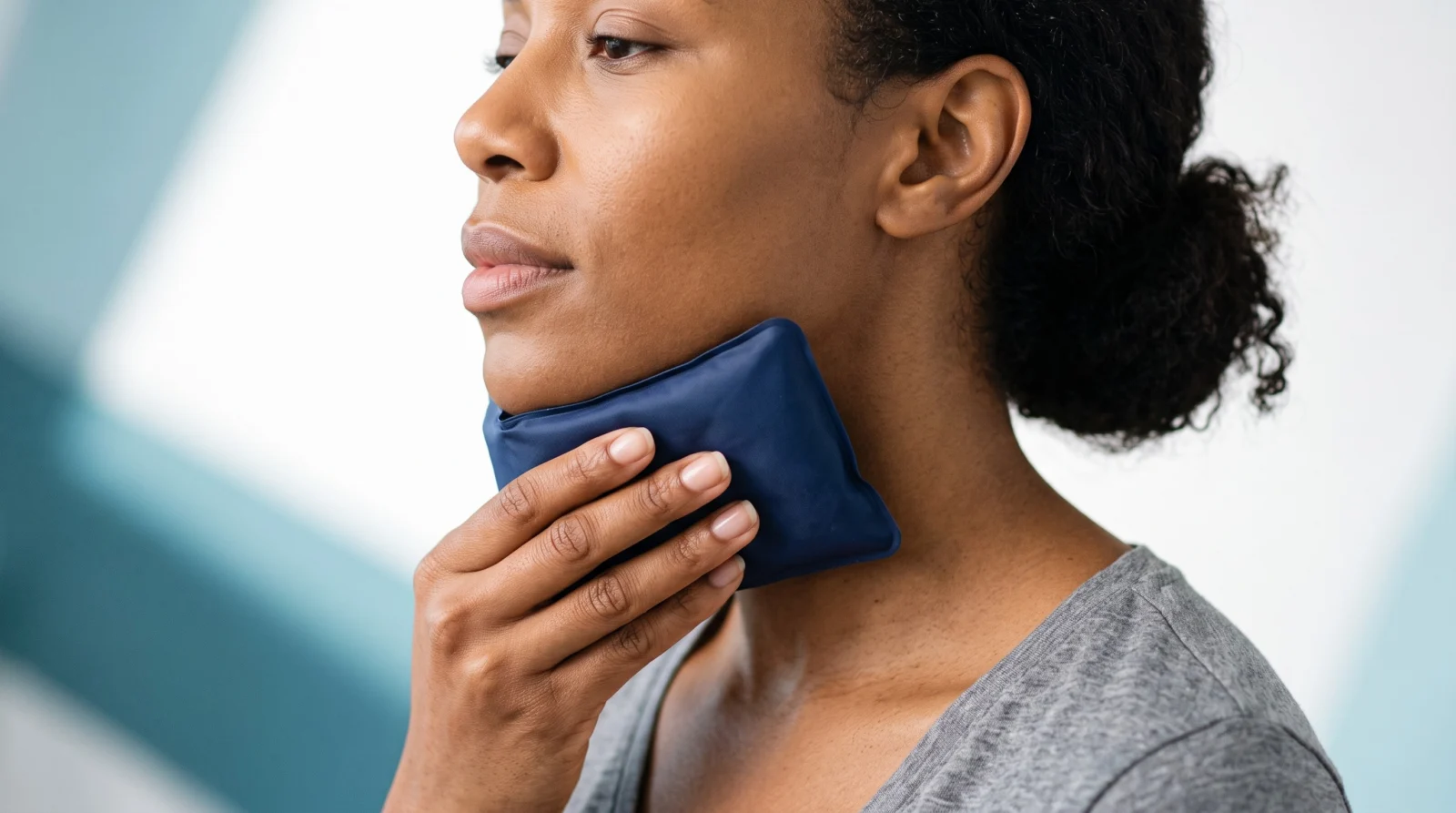
Surgery day to day 3: Tightness, swelling, stiffness, and a limited mouth opening are common. Follow the prescribed medication and mouth-care plan exactly. If your surgical team approves cold therapy, use it for the duration and with the skin protection they specify; sleeping with the head elevated may also be recommended.
-
Days 4 to 7: Swelling may start to turn a corner, but the lower face can still look uneven. A soft or modified diet may be needed, and fatigue can persist. Do not press on the chin to “test” its position.
-
Week 2: Many people look considerably less swollen, and some return to quiet work. Bruising, stiffness, tenderness, and reduced sensation may still be present. Attend follow-up even if recovery appears smooth because examination matters more than appearance alone.
-
Weeks 3 to 6: Daily comfort often improves, yet the chin can still feel firm or unfamiliar. Your surgeon decides when chewing, exercise, facial grooming, and contact risk are safe. Increasing activity too quickly can add swelling even when it does not feel painful.
-
Months 2 to 3: Smaller changes become easier to see as residual swelling settles. Sensory changes can continue to evolve. This is usually a better period for comparing standardized photos than the first few weeks.
-
Months 6 to 12: The contour and sensation may continue maturing. Persistent numbness does not automatically mean a permanent problem, but it deserves documented review rather than self-diagnosis.
Why Can Chin Numbness Outlast Swelling?
Chin or lower-lip numbness can outlast visible swelling because sensory nerves near the surgical area recover on a different timetable from skin and soft tissue. Tingling, altered sensation, or patches of reduced feeling should be discussed at follow-up, especially if symptoms worsen or are joined by new weakness or severe pain.
According to Karimi and colleagues (2024 randomized clinical trial), researchers measured sensory recovery at two days, two weeks, four weeks, and two months in 20 women after genioplasty. Sensory measures improved over time, but the small, single-sex sample and tested recovery intervention limit how broadly the results can predict an individual timeline.
According to Moharrami and colleagues (2025 systematic review), 170 records were reviewed and 14 studies were included when assessing selected approaches to nerve recovery after jaw surgery. The evidence covered mixed operations and interventions, so it supports careful follow-up rather than a universal treatment or deadline.
Call the surgical team promptly for breathing difficulty, rapidly increasing swelling, heavy bleeding, fever, pus, worsening one-sided redness, uncontrolled pain, or any symptom listed as urgent in your discharge instructions. Do not wait for a routine appointment when the team has told you a sign requires immediate assessment.
How Can You Prepare for a Smoother Recovery?
Preparation should reduce avoidable decisions during the first few tired days. A board-certified surgeon or appropriately qualified oral and maxillofacial surgeon should give instructions tailored to your medical history and exact operation.
- Arrange transport, help at home, and easy access to approved foods and fluids.
- Ask which prescriptions and over-the-counter products to stop, continue, or avoid.
- Confirm oral hygiene, showering, cold-compress, and sleep-position instructions before surgery.
- Ask for separate dates for remote work, commuting, exercise, and contact activities.
- Record whom to call after hours and which symptoms should trigger urgent care.
- Take progress photos only on the schedule and angles your team recommends; daily close-ups can exaggerate small fluctuations.
Bring written goals and questions rather than trying to describe your ideal chin with a single celebrity image. This facial profile analysis guide can help you think about how the chin relates to the lips, jawline, and forehead, while the consultation preparation checklist covers records and safety questions.
You can explore more educational guides in the face, jaw, and chin topic hub. If you want to organize a visual reference before an appointment, the app can create an illustrative preview, and the live jawline preview explains what a digital visualization can and cannot show.
FAQ
When is swelling worst after sliding genioplasty?
Swelling is often most noticeable around days two and three, then gradually decreases. Your surgeon should assess swelling that suddenly increases, becomes markedly one-sided, or comes with other concerning symptoms.
When can I return to work after sliding genioplasty?
Some people return to desk-based work after about one to two weeks, while speaking demands, commuting, physical work, and combined procedures can extend that estimate. Ask your surgeon for a role-specific plan.
How long does chin numbness last after genioplasty?
Altered chin or lower-lip sensation may improve over weeks or months, and a minority of people can have long-lasting change. Track the pattern and discuss it at scheduled follow-up rather than testing the area repeatedly.
When will I see the final chin shape?
The major change becomes clearer as early swelling falls, but subtle swelling and tissue settling can continue for several months. Standardized photos and clinical follow-up are more reliable than day-to-day mirror checks.
Can an AI preview predict my result?
No. A preview can help communicate a direction or proportion, but it cannot model surgical technique, bone healing, swelling, sensation, or an individual outcome.
AI previews are visualizations, not medical advice.