Gum Contouring Recovery Timeline: What to Expect
This gum contouring recovery timeline explains soreness, eating, brushing, healing milestones, and when to call your periodontist.

On this page
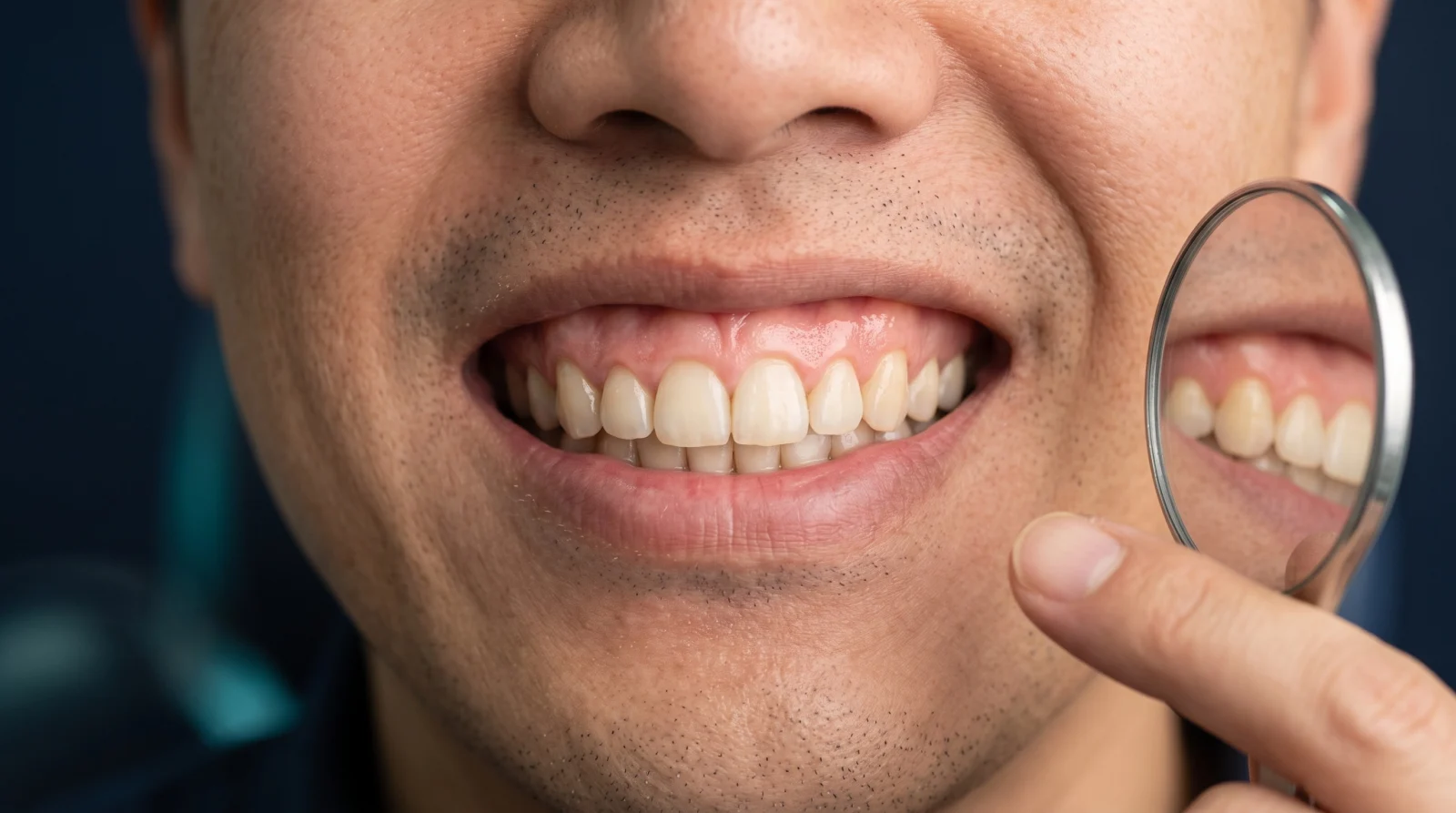
A gum contouring recovery timeline usually starts with a few days of tenderness and careful eating, followed by steadier comfort over one to two weeks. Surface healing and a normal routine may return sooner than the final gum line settles, especially when treatment includes reshaping tissue near the supporting bone.
How long does gum contouring recovery take?
Most people should plan for a cautious first week, improving comfort during the second week, and follow-up beyond that if the procedure was extensive. The exact pace depends on how much gum tissue was reshaped, whether bone was adjusted, which teeth were treated, and personal healing factors.
“Gum contouring” can describe a limited reshaping of soft tissue or a more involved esthetic crown-lengthening operation. Those are not interchangeable recoveries. Ask whether your plan involves tissue alone, a flap, sutures, or bone reshaping, because the answer changes your aftercare and the time before restorative dental work.
According to a 2026 randomized clinical study, researchers followed 60 patients after gingivectomy and gingivoplasty for 28 days and measured healing on days 7, 14, 21, and 28. Every group became more comfortable over time, but the study tested specific healing aids and had subjective measures plus no histologic analysis, so it cannot set one universal timetable.
For a broader view of smile planning, compare what changes the gums with what changes tooth surfaces in veneers versus composite bonding. A periodontist and restorative dentist may need to coordinate the sequence.
Gum contouring recovery timeline: day by day
Recovery is gradual rather than a single finish date. Use this framework for planning, but follow the written instructions from your own periodontist or dentist when they differ.
- Procedure day: Expect numbness at first, then tenderness as it fades. Rest, avoid repeatedly pulling the lip up to inspect the site, and use only the pain plan your clinician approved.
- Days 1–3: Mild swelling, sensitivity, and a small amount of oozing may occur. Choose cool or lukewarm soft foods, chew away from the treated area when possible, and avoid hard edges that can scrape the gum line.
- Days 4–7: Comfort often improves, but the tissue may still look red or uneven. Keep scheduled review appointments; appearance in this phase is not the final contour.
- Week 2: Many people can eat and clean more normally if their clinician agrees. Tender spots may remain, particularly after a wider treatment area.
- Weeks 3–6: Surface healing continues and the gum margin becomes easier to assess. More involved crown-lengthening cases may require a longer observation period before definitive dental work.
- Months 2–6: Tissue position can continue to mature after surgery involving bone and a repositioned flap. Your clinician decides when the margin is stable enough for the next step.
According to a 2020 prospective study, 21 patients were measured at 42, 90, and 180 days after esthetic crown lengthening; mean gum-margin displacement stayed close to 4.3 mm at all three checks. The small, selected sample and specific surgical technique limit how widely those results apply.
What should you eat and avoid after gum contouring?
Choose foods that require little chewing and do not crumble into sharp pieces. Examples include oatmeal, yogurt, softly cooked eggs, smooth soups served lukewarm, mashed vegetables, and tender pasta, provided they fit your clinician's instructions and your own dietary needs.

Very hot foods can increase discomfort early on. Crunchy, sticky, spicy, or highly acidic choices may irritate the site, while seeds and small fragments can lodge near healing tissue. Avoid alcohol and tobacco exposure during healing, and ask your clinician when your usual diet can resume rather than testing the area because it “feels fine.”
The NHS overview of gum disease reinforces that persistent bleeding, swelling, or painful gums deserve dental assessment. It is general oral-health guidance, not a procedure-specific recovery schedule.
When can you brush after gum contouring?
Clean untreated areas normally, but treat the surgical site exactly as your clinician directs. Many plans temporarily use a very soft brush, a modified brushing angle, or a prescribed rinse; vigorous scrubbing and improvised products can disturb healing tissue.
A practical routine is to:
- Wash your hands before touching any oral-care item.
- Use the brush or rinse specified in your written instructions.
- Clean gently without stretching the lip to inspect the edge repeatedly.
- Rinse without forceful swishing unless your clinician says otherwise.
- Keep the brush clean and replace it if the bristles become rough or contaminated.
Do not copy another person's schedule from social media. According to a 2024 randomized clinical trial, 16 patients having esthetic crown lengthening were assessed at one week, two weeks, three months, and six months; guided and conventional methods showed no significant difference in wound healing or pain scores. The trial was small and focused on one diagnosis, highlighting why technique alone does not predict an individual's recovery.
You can explore the smile and lips topic hub for related planning guides, including why veneers may stain differently over time.
When should you call your periodontist?
Contact the treating office promptly for bleeding that does not slow with the method they provided, pain or swelling that worsens after initially improving, fever, pus, a bad taste that persists, an allergic reaction, or concern that a dressing or suture has shifted. Seek urgent care for trouble breathing or swallowing.
Routine follow-up matters even when recovery feels easy. It lets the clinician check plaque control, tissue response, and whether the gum margin is settling as planned. A board-certified or appropriately credentialed periodontal specialist can explain how your health history, medicines, and the planned technique affect risk.
A visual plan may also help you describe proportions without treating a simulation as a result prediction. The live smile design preview can help you discuss tooth display and gum-line balance, while the app offers a face-based visualization to bring to a consultation.
FAQ
Is gum contouring recovery painful?
Tenderness is common, but the intensity and duration vary with the treatment extent and technique. Ask your clinician for a personalized pain plan and do not add medicines or home remedies without checking interactions.
How soon can I return to work after gum contouring?
Some people return to non-strenuous work within a few days, while wider treatment may need more time. Plan around speaking demands, swelling, and your clinician's instructions rather than a fixed promise.
When will the final gum line be visible?
Early swelling can make the margin look uneven, so the first week is not a final result. Soft-tissue reshaping may become clearer over several weeks, while surgery involving bone can require months of observation.
Can I preview a new smile before treatment?
A preview can support a conversation about tooth display and proportions, but it cannot show tissue biology, healing speed, or a guaranteed result. Discuss any visualization with a qualified dental professional.
AI previews are visualizations, not medical advice.
Sources & further reading
- Dermal fillers — American Society of Plastic Surgeons
- Dermal fillers — NHS
- Veneers — American Dental Association (MouthHealthy)
- Patient safety — American Society of Plastic Surgeons
- Find a board-certified plastic surgeon — American Board of Plastic Surgery
- Cosmetic procedures — NHS
Written by the Plastic Surgery AI editorial team. Educational information only, not medical advice; always talk to a board-certified surgeon. Our editorial policy.

