Lip Lift Recovery: What to Expect Week by Week
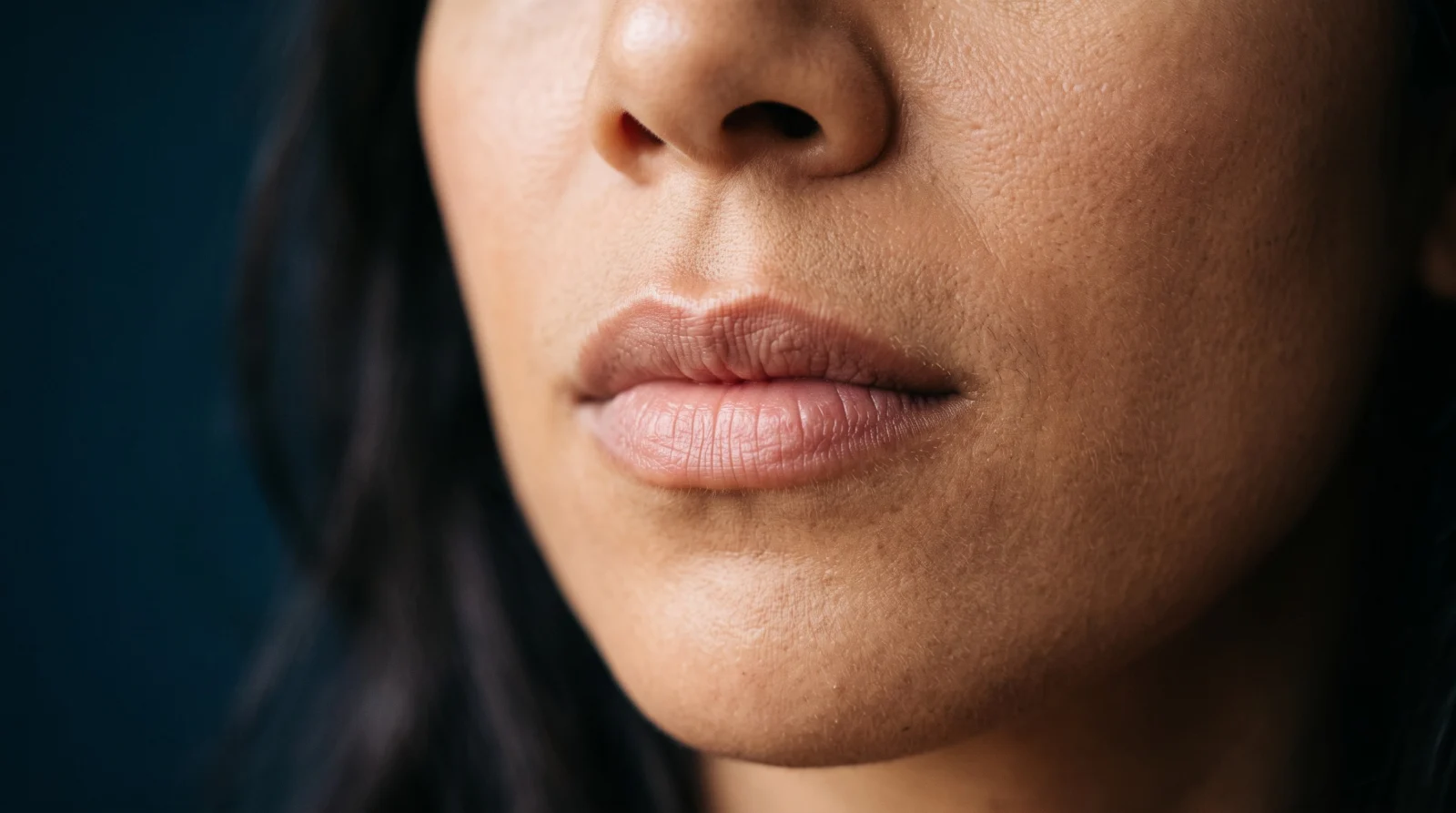
Most people planning a lip lift want to know what lip lift recovery actually feels like day to day. In practice, the visible healing after a subnasal (bullhorn) lip lift is fast: sutures usually come out in 5–7 days, most swelling and bruising settle within two to three weeks, and the thin scar tucked under the nose keeps maturing for several months. Knowing that timeline before a consultation helps you plan time off and set realistic expectations.
A lip lift is a small surgical procedure that shortens the space between the base of the nose and the top of the upper lip (the philtrum). By removing a strip of skin just under the nose, a surgeon raises the pink upper lip slightly, increases the amount of upper-tooth show, and can make a long-looking upper lip appear more balanced. It does not add volume the way non-surgical options do; it changes proportion.
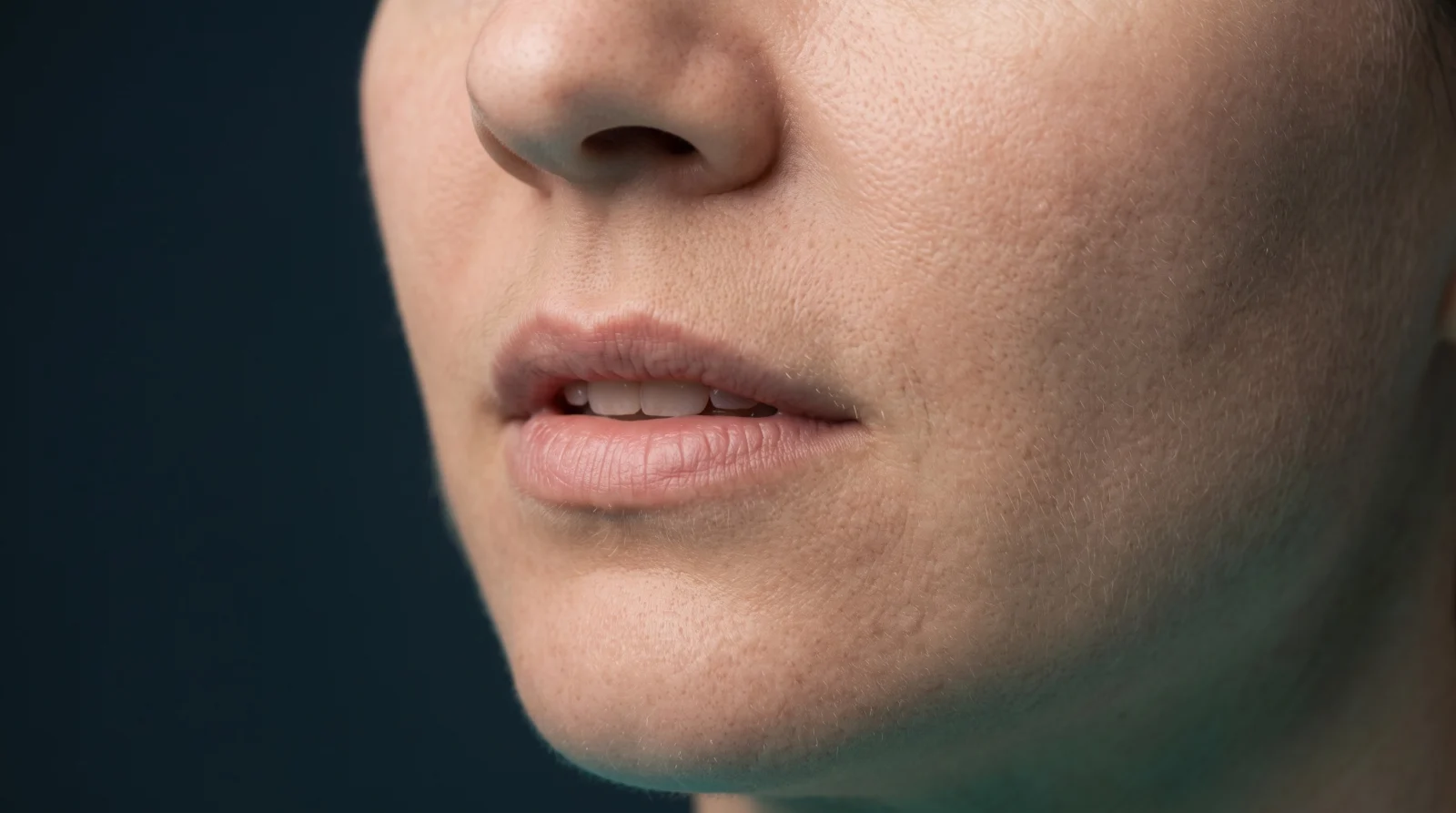
What does lip lift recovery look like week by week?
Lip lift recovery follows a fairly predictable arc, though every person heals differently. Here is a typical timeline surgeons describe.
- Days 0–2: Expect tightness, mild swelling under the nose, and a taped or sutured incision. Cold compresses and a head-elevated sleeping position help.
- Days 3–7: Swelling often peaks around day 2–3, then starts to ease. Sutures are commonly removed at 5–7 days.
- Weeks 2–3: Most visible bruising and swelling resolve, and many people feel comfortable returning to social settings and desk work.
- Weeks 4–8: The scar under the nose may look pink or firm; this is normal early scar maturation.
- Months 3–12: The scar continues to soften and fade, and the final proportion of the lip settles.
Smiling, speaking, and eating can feel stiff for the first week or two. Because the incision sits at the nasal base, it is usually well hidden once healed, but sun protection and gentle scar care matter during the first months, similar to the skin-healing principles discussed in guidance on sun exposure after facial surgery.
When can I return to work and exercise?
Many people take about one week off work for a lip lift, mainly to get through suture removal and the most visible swelling. Light activity often resumes within days, while strenuous exercise, heavy lifting, and anything that raises facial blood pressure is typically paused for two to three weeks. Always follow your own surgeon's specific instructions, because incision placement and technique vary.
How long do lip lift scars and numbness last?
The scar sits in the natural shadow where the nose meets the lip, which helps camouflage it. According to a systematic review in Oral and Maxillofacial Surgery (Araújo Júnior and colleagues, 2023), which pooled four studies of subnasal lip lift, all included studies reported improved lip aesthetics and results that stayed stable for follow-up periods ranging from 12 to 59.1 months. The review noted an important limitation: there were no randomized controlled trials, only cohort and case-series data, so the evidence base is still modest.
Temporary numbness or altered sensation around the upper lip and philtrum can occur as small sensory nerves recover, and this usually improves over weeks to a few months. Persistent numbness is uncommon but is a reasonable question to raise before surgery. Firmness along the scar line is expected early and softens with time and gentle massage once your surgeon clears it.

Does a lip lift change the nose or smile?
Because the incision sits directly beneath the nose, a lip lift can subtly interact with the nasal base and the smile. A retrospective study in the Journal of Oral and Maxillofacial Surgery (Marechek and colleagues, 2021) measured nasal and labial parameters before and after subnasal lip lift and found measurable changes in nasolabial relationships, underscoring that the procedure affects more than the lip alone. This is one reason surgeons evaluate the whole central face, not just the lip in isolation.
If you are also thinking about the nose, it helps to understand how lip and nasal-tip movement connect during expression, a topic covered in detail in this guide on whether nasal surgery can change your smile. Thinking about overall proportion is also useful; the evidence-based perspective in facial symmetry and proportion can help you frame goals in terms of balance rather than a single "ideal" measurement.
Lip lift vs non-surgical lip enhancement
People often weigh a surgical lip lift against non-surgical options. They solve different problems, so the comparison is about goals, not which is "better."
| Factor | Surgical lip lift | Non-surgical lip enhancement |
|---|---|---|
| Main effect | Shortens philtrum, raises upper lip, more tooth show | Adds temporary volume or shape |
| Permanence | Long-lasting proportional change | Temporary, repeated over time |
| Downtime | About 1 week off; scar matures over months | Minimal to none |
| Reversibility | Not reversible | Some options are adjustable or fade |
| Best for | A genuinely long upper lip or reduced tooth show | Wanting more fullness without surgery |
The right choice depends on your anatomy and goals, which is exactly what a board-certified facial plastic surgeon or oral and maxillofacial surgeon evaluates in person. A useful early step is seeing an illustrative preview of proportional changes on your own photo; the Plastic Surgery AI app offers that kind of visualization, and you can download the app here to explore ideas before a visit. You can also browse related face procedures on the procedure explorer.
How to prepare for a smoother lip lift recovery
A few practical steps can make recovery easier and are worth discussing with your surgeon.
- Plan logistics: Arrange the first day of rest, soft foods, and someone to help at home.
- Avoid smoking: Nicotine impairs wound healing and can worsen scarring; surgeons routinely advise stopping well before and after surgery.
- Protect the scar: Once cleared, use sun protection and gentle care during the months the scar is maturing.
- Set expectations: Early swelling can hide the final result, so avoid judging the outcome in the first weeks.
- Ask about medications: Some supplements and drugs increase bruising; confirm what to pause.
For trustworthy background reading, professional bodies such as the American Academy of Facial Plastic and Reconstructive Surgery publish patient education, and peer-reviewed summaries like the 2023 systematic review on subnasal lip lift and the 2021 nasal-esthetics study are good primary sources to bring up with your surgeon.
FAQ
How long does lip lift recovery take?
Most visible swelling and bruising settle within two to three weeks, sutures are typically removed at 5–7 days, and the scar continues to soften over several months.
Is a lip lift scar noticeable?
The scar sits in the crease where the nose meets the lip, so it is usually well camouflaged once healed, though it can look pink or firm during the first months.
Does a lip lift affect the nose?
It can subtly change nasolabial relationships because the incision sits at the nasal base; a 2021 study measured such changes, which is why surgeons assess the whole central face.
When can I exercise after a lip lift?
Light activity often resumes within a few days, while strenuous exercise and heavy lifting are usually paused for about two to three weeks, per your surgeon's guidance.
How long does numbness last after a lip lift?
Temporary numbness around the upper lip usually improves over weeks to a few months as small sensory nerves recover; lasting numbness is uncommon.
AI previews are visualizations for education and exploration only, not medical advice, diagnosis, or a prediction of surgical results. Always consult a board-certified surgeon about your individual case.