Crooked Nose Rhinoplasty: What Can Change—and What May Not
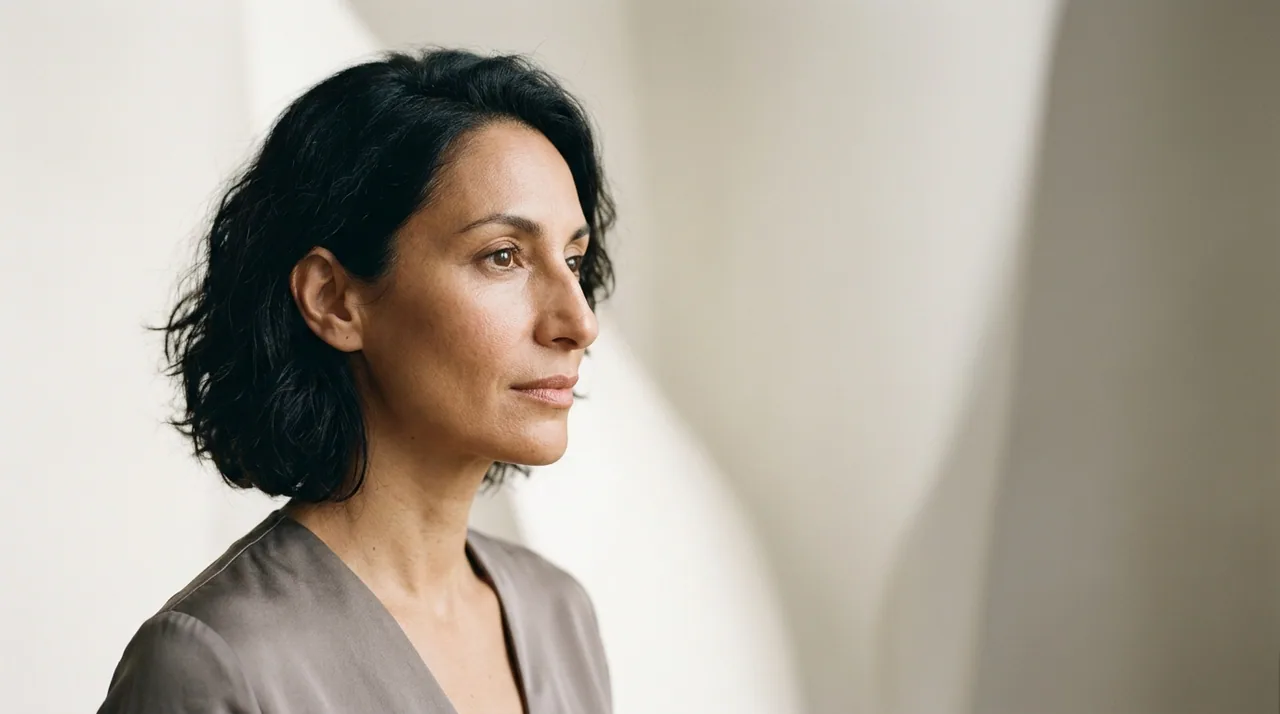
A crooked nose can look different from the front, appear off-center in photographs, or be accompanied by uneven breathing. “Crooked,” however, is a visual description—not a diagnosis. The visible line of the nose may reflect the nasal bones, cartilage, septum, facial asymmetry, an earlier injury, or several factors together.
That complexity is why crooked nose rhinoplasty is best planned around specific goals rather than a promise of perfect straightness. This guide explains what a consultation may evaluate, what surgery can and cannot change, and how to use photos or AI previews more productively.
What does “crooked nose” mean?
People often use the phrase for one of three patterns:
- A C-shaped curve: the nasal line bends to one side and then returns toward the center.
- An S-shaped curve: different sections shift in opposite directions.
- A generally tilted nose: the upper bridge, tip, or entire nose appears displaced from the facial midline.
These are descriptions of appearance, not complete explanations of anatomy. A nose may also look more off-center because the chin, lips, eyebrows, cheeks, or jaw are naturally asymmetric. Camera angle and lens distance can amplify those differences.
A deviated septum is related but not identical. The septum is the internal wall dividing the nasal passages. According to the American Academy of Otolaryngology–Head and Neck Surgery’s ENT Health resource, deviation can contribute to nasal obstruction, but a septum cannot be assessed reliably from appearance alone. A visibly crooked nose does not automatically mean breathing is impaired, and a person can have significant internal deviation with little visible crookedness.
What a surgeon evaluates
A qualified plastic surgeon typically considers the nose as a three-dimensional structure rather than tracing a single line down a photograph. An evaluation may include:
Nasal bones and upper bridge
The paired nasal bones form the upper portion of the bridge. Their width, position, and any effects of previous trauma can influence the direction of the upper third of the nose.
Cartilage and the middle vault
Cartilage supports the middle section. Uneven support, prior injury, or previous surgery can contribute to a bend or an asymmetric shadow. Correcting one component may reveal or affect another, which is one reason planning must be individualized.
Septum and airflow
The septum provides internal support as well as separating the airways. If breathing is a concern, the consultation should distinguish cosmetic goals from functional symptoms. Evaluation may involve a history and internal examination; images alone cannot establish the cause of obstruction.
Tip position and nostrils
The tip may lean independently from the bridge. Surgeons may assess tip support, projection, rotation, and nostril shape. Natural nostril differences are common, and neither surgery nor an image edit can make biological anatomy perfectly mirrored.
The rest of the face
The “center” of a face is not always a perfectly vertical line. A surgeon may compare the nose with the forehead, lips, chin, and overall facial proportions. The aim of a consultation should be to understand relationships—not to treat ordinary asymmetry as a flaw.
For a broader overview of nose-related concepts, see the aesthetic procedures and trends guide.
Can rhinoplasty straighten a crooked nose?
Rhinoplasty can reposition or reshape selected bone and cartilage structures. Depending on the anatomy and goals, a surgical plan may address the upper bridge, middle vault, septum, tip, or a combination of these areas. The American Society of Plastic Surgeons notes that rhinoplasty can address nasal asymmetry and, when combined with appropriate internal work, may also be performed in relation to impaired breathing.
But “can improve” is not the same as “can guarantee perfectly straight.” Important limits include:
- Every face has some baseline asymmetry.
- Skin and soft tissue can influence how structural changes appear.
- Scar behavior and healing are individual.
- A history of trauma or earlier surgery can make anatomy more complex.
- A straight-looking nose in one view may not appear perfectly centered in every angle, expression, or photograph.
A useful consultation therefore separates priorities. Is the main concern the upper bridge, a tip that points to one side, a front-view shadow, or breathing? Specific observations support a clearer discussion than asking for “total symmetry.”
Functional and cosmetic goals may overlap
When visible deviation and nasal obstruction occur together, the words septoplasty, rhinoplasty, or septorhinoplasty may enter the conversation.
Septoplasty focuses on the internal septum. Rhinoplasty changes the external framework or appearance. Septorhinoplasty describes work that addresses both, although exact terminology and scope vary. These are not interchangeable treatments, and an AI image cannot determine which—if any—is appropriate.
Mention symptoms such as one-sided blockage, prior nasal injury, or difficulty breathing during sleep or exercise during a professional consultation. Those details require clinical evaluation. Do not use a visual preview to self-diagnose a deviated septum or choose an operation.
Why photos can make a nose look more crooked
Before judging a front-view photo, check how it was made. Close phone selfies can distort central facial features. A slight head turn can shift the apparent nasal line, while uneven light can create a stronger contour on one side.
For more consistent reference images:
- Use the rear camera or ask someone else to take the photo.
- Stand farther away and avoid an ultra-wide lens.
- Keep the camera around eye level.
- Use soft, even light.
- Capture relaxed front, three-quarter, and profile views.
- Keep your head neutral rather than forcing it into an artificial “straight” position.
These steps do not create a medical record, but they make visual comparisons less dependent on selfie distortion.
How to use an AI crooked-nose preview responsibly
An AI preview can help you explore a question such as, “Would I prefer a subtler bridge line while keeping my tip and overall identity recognizable?” It can also help you notice whether you care more about the front view or profile.
On Plastic Surgery AI, you can explore illustrative nose-job ideas from photos. Treat the result as entertainment, inspiration, and a conversation aid—not as a surgical simulation. AI does not know your bone position, cartilage strength, septum, skin behavior, airway, surgical constraints, or healing response. It may also smooth asymmetries that surgery cannot or should not eliminate.
A productive workflow is to create only a few variations and annotate them:
- What looks appealing?
- What feels unlike you?
- Which features should remain unchanged?
- Does the preference hold across front and profile views?
- Is the desired change subtle, moderate, or difficult to describe?
Bring the themes—not an expectation of pixel-for-pixel replication—to a consultation. A surgeon can explain which ideas fit your anatomy and where an AI image is unrealistic.
Consultation questions worth asking
Consider taking this neutral checklist:
- Which structures appear to contribute to the deviation?
- How does my existing facial asymmetry affect the apparent nasal midline?
- Are my cosmetic concerns separate from any functional findings?
- What degree of straightening is realistic, and what asymmetry may remain?
- How would the plan address the bridge, middle vault, septum, and tip?
- Could correcting one view create a trade-off in another?
- What risks and revision considerations apply to my anatomy?
- How do you assess breathing before and after surgery?
- Are you certified by the appropriate plastic surgery board in this country, and where would the procedure occur?
- How should I interpret computer imaging or AI references?
Candidacy, risks, recovery, and treatment decisions require an in-person consultation with a qualified, appropriately board-certified plastic surgeon. Seek a clinician who examines function as well as appearance when breathing is part of the concern.
Keep the goal personal, not “perfect”
There is no universally ideal nasal line, and a centered nose is not a requirement for attractiveness or confidence. If you are exploring change, define success in terms of your own priorities and realistic anatomical limits.
Crooked nose rhinoplasty planning is most useful when it combines multi-angle assessment, a discussion of breathing, and respect for natural facial asymmetry. Photos and AI previews can clarify vocabulary, but only a qualified surgeon can evaluate anatomy, explain options and risks, and discuss what outcome may be achievable.