Long Nose Rhinoplasty: What Surgeons Evaluate in Profile Planning
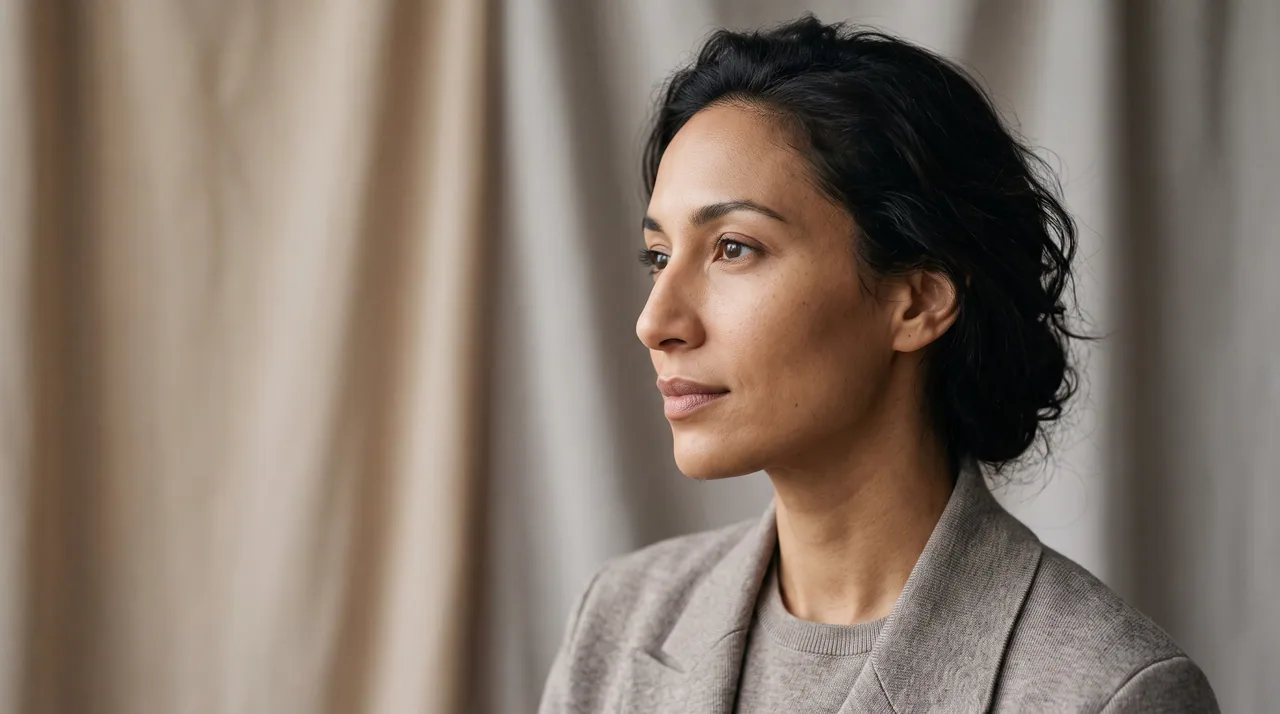
A nose can look “long” for several different reasons—and the difference matters when discussing rhinoplasty. The impression may come from the bridge, the position of the tip, the distance the nose projects from the face, or the relationship between the nose, lips, and chin. It is not a diagnosis, and there is no universally ideal nasal length.
This guide explains the language used in long nose rhinoplasty planning, what a surgeon may evaluate, and how to turn a general wish such as “I want my nose to look shorter” into a more useful consultation conversation. It is educational, not medical advice, and does not suggest that any distinctive nose needs to be changed.
What does “long nose” mean in rhinoplasty?
“Long” is a visual description rather than one specific anatomical finding. Two noses with similar physical dimensions can read differently because facial proportions, camera angle, expression, and lighting change how the profile is perceived.
In a consultation, a surgeon may separate that overall impression into several features:
- Nasal length: the apparent distance from the upper bridge area, or radix, toward the tip.
- Tip projection: how far the tip extends forward from the face.
- Tip rotation: the tip’s upward or downward orientation.
- Dorsal shape: the contour of the bridge, including whether it is straight, curved, or has a hump.
- Columella and nostril relationship: how the tissue between the nostrils appears in profile.
- Facial context: how the nose relates to the forehead, lips, chin, and overall face.
These are connected, but they are not interchangeable. A downward-pointing tip can increase the impression of length without excessive forward projection. Conversely, a highly projecting tip may appear prominent even if its rotation is neutral.
Why the profile can look longer than the measurements suggest
Tip position and expression
The tip has a major influence on perceived nasal length. Its appearance can also change when smiling because facial muscles move the upper lip and nasal base. A qualified surgeon may compare the nose at rest with the nose in motion rather than planning from one carefully posed image.
The bridge and radix
The radix is the upper starting point of the nasal bridge between the eyes. Its position and contour affect where the nose seems to begin. A dorsal hump or a long, continuous bridge line may also emphasize length in profile. That does not mean reducing the bridge is automatically appropriate; changing one line can alter the visual balance of the entire nose.
Projection and facial balance
Projection describes forward extension, not vertical length. Still, greater projection can make the nose look longer or more dominant from some angles. The chin and lips also influence that perception. Profile analysis therefore looks beyond the nose, but a balanced consultation should never pressure someone to add another procedure simply to match a formula.
Camera distortion
Close phone photos can exaggerate features nearer the lens. A 2018 study in JAMA Facial Plastic Surgery demonstrated measurable nasal distortion in short-distance selfies compared with portraits taken farther away. This is one reason a casual selfie should not be treated as a precise representation of facial proportions.
For consultation photos or an illustrative AI preview, use even light, a neutral expression, and enough distance to avoid an ultra-wide close-up. Consistent front, three-quarter, and side views are more useful than comparing unrelated images.
What might change—and why no single technique fits everyone
Rhinoplasty is individualized. Depending on anatomy and goals, a surgical plan may discuss the bridge, tip support, projection, rotation, or more than one of these. The American Society of Plastic Surgeons describes rhinoplasty as a procedure that may change nasal proportions and may also address impaired breathing when structural issues are involved.
A useful distinction is appearance goal versus surgical method. “A less elongated profile” is a goal. Altering cartilage, bone, or support is a method, and only an in-person clinical assessment can determine whether a method is reasonable for a particular person.
Changing apparent length is also not the same as simply removing tissue. The nose needs structural support, and changes to one area may affect other contours or nasal function. Skin thickness, cartilage strength, previous injury or surgery, airway findings, and healing variability can all shape what is feasible.
No article, app, trend, reference image, or fixed ratio can determine candidacy. Risks, recovery, likely trade-offs, and treatment decisions require consultation with a qualified board-certified plastic surgeon who can examine both appearance and function.
Long nose rhinoplasty goals: clearer ways to describe them
A productive consultation starts with observations rather than a demand for an exact copy of someone else’s nose. Instead of only saying “make it shorter,” consider discussing questions such as:
- Does the tip seem downward-oriented at rest, while smiling, or both?
- Is the main concern the bridge line, tip position, forward projection, or the overall profile?
- Which traits feel important to preserve?
- Does the concern appear in person as well as in close-up photos?
- Is breathing part of the conversation, or are the goals entirely aesthetic?
- Would a subtle change meet the goal better than a dramatic one?
Bring a small set of consistent photos and a short written priority list. Reference images can help explain a direction, but they should be treated as vocabulary—not as a requested template. Another person’s skin, cartilage, bone structure, and facial proportions are different.
How to use an AI nose preview responsibly
An AI image can help someone compare visual ideas before a consultation. For example, you might explore a slightly different tip orientation in one version and a softer bridge line in another, then identify which change actually affects the impression of length.
The Plastic Surgery AI website and its aesthetic concepts gallery offer a way to explore such ideas. The iPhone app can generate illustrative views from your photos.
Use previews as conversation aids:
- Change one concept at a time where possible.
- Compare front, three-quarter, and profile views—not just the most flattering angle.
- Note what you would want to preserve as clearly as what you might change.
- Bring one or two representative versions to a consultation.
- Ask the surgeon which elements are anatomically realistic and what trade-offs they may involve.
AI previews are not surgical simulations, medical assessments, or predictions. They cannot examine the airway, feel cartilage strength, assess skin behavior, account reliably for healing, or guarantee that an edited contour can be produced surgically.
Questions to ask during a consultation
Consider asking:
- Which anatomical features create the impression of nasal length in my case?
- How do you assess my nose at rest and with facial movement?
- How would the plan account for tip support and breathing function?
- What changes might be visible from the front as well as the side?
- Which parts of my goal may not be achievable or advisable?
- What are the procedure-specific risks and possible trade-offs?
- How does swelling affect early judgments of tip position and profile?
- How often do you perform rhinoplasty, and where is the procedure performed?
- Are you certified by the American Board of Plastic Surgery, and can I verify that certification?
Board certification is one useful credential check, not a guarantee of a particular result. The American Board of Plastic Surgery provides a public verification tool, while a complete evaluation should also cover relevant experience, facility accreditation, communication, and follow-up policies.
A neutral way to think about profile planning
Long nose rhinoplasty planning is not about applying a universal ratio or erasing character. It is about identifying which feature creates a particular visual impression, understanding how interconnected structures affect appearance and function, and deciding whether any proposed change aligns with the person’s own priorities.
If you are exploring the idea, use photos and AI previews to improve your questions—not to set a guaranteed target. A qualified board-certified plastic surgeon must assess candidacy, risks, recovery, function, and realistic options in person. Choosing no procedure is also a valid outcome of an informed consultation.